
The Importance of Animal Shelters in Cold Weather
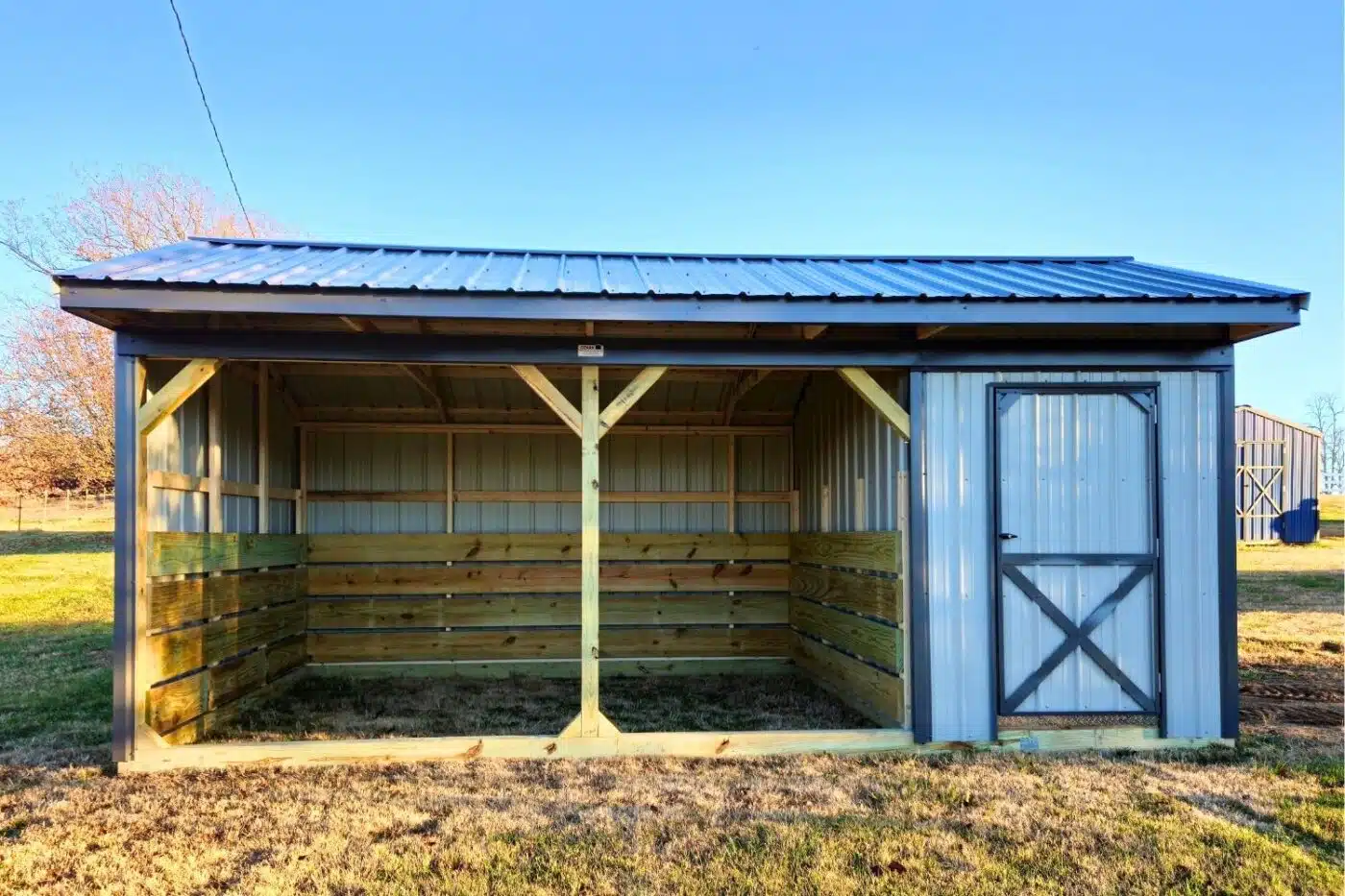
When winter arrives, bringing icy winds, freezing rain, and blankets of snow, people naturally retreat indoors to the warmth of their homes. Animals, however, are not so fortunate. Livestock, horses, goats, and other outdoor animals face long months of cold exposure that can take a toll on their health and productivity. For them, proper housing is not a luxury but a necessity.
This is where animal shelters for cold weather, such as loafing sheds and run-in structures, become indispensable. These buildings are designed to provide comfort and protection from harsh elements while allowing animals the freedom to move in and out as they choose. More affordable and flexible than full barns, loafing sheds are a practical solution for farmers, ranchers, and property owners who want to safeguard animal welfare through the coldest part of the year.
This blog explores in detail why these shelters matter, how they are designed for cold weather, the benefits they bring to both animals and owners, and how to plan and maintain them for long-term use.
Why Cold Weather Is a Threat to Outdoor Animals
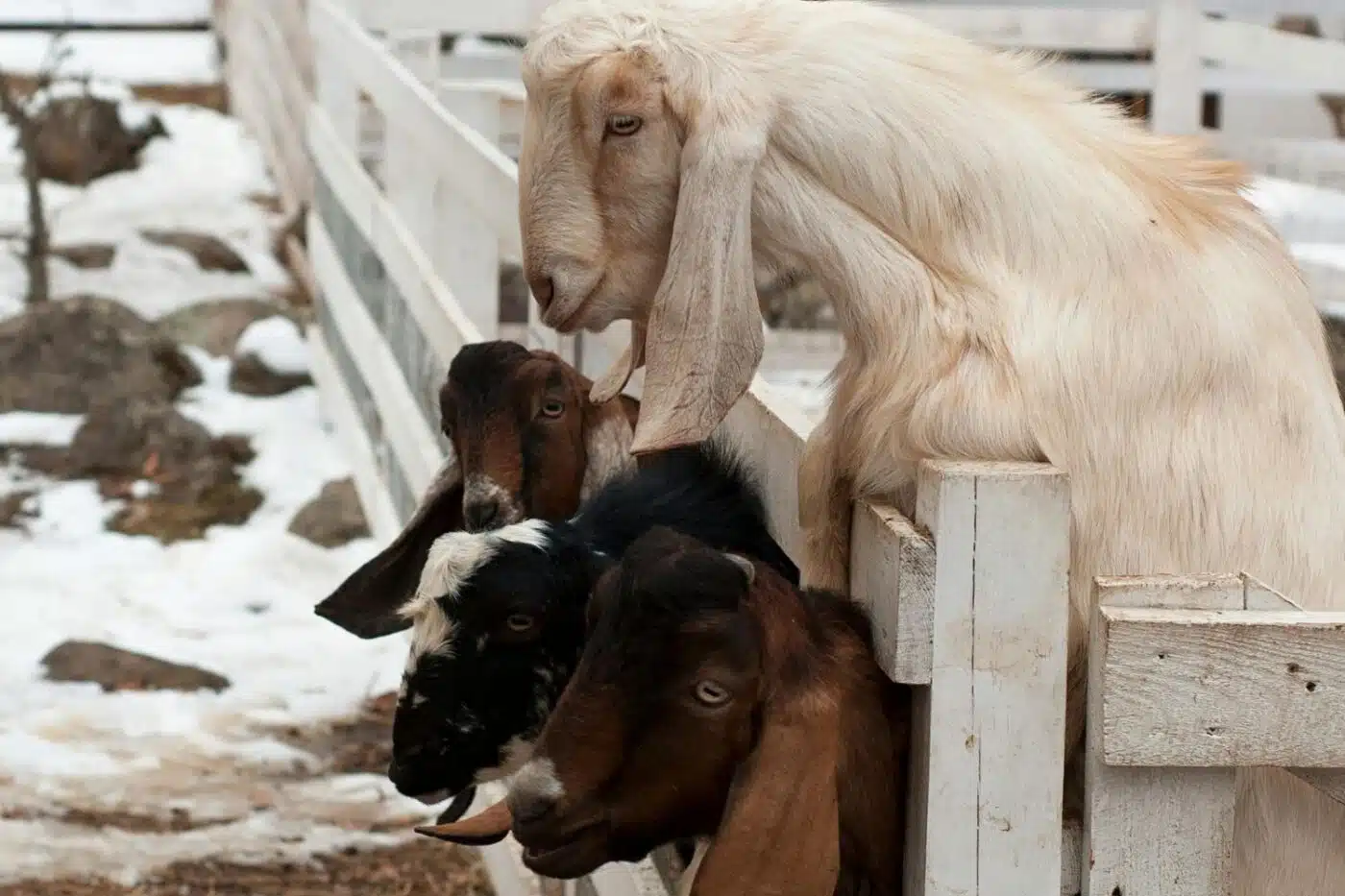
Before discussing shelters themselves, it’s important to understand what animals are up against in winter.
1. Wind Chill and Draft
Wind robs heat from the body. Even a moderately cold day feels much harsher when the wind accompanies it. Without a windbreak, animals suffer greater heat loss.
2. Energy Demands Increase Dramatically
Animals must burn more calories to generate body heat. If they cannot compensate via food intake, they lose condition, become weakened, and are more vulnerable to disease.
3. Wetness, Snow, and Moisture
Snow, rain, and sleet can soak coats, reduce insulation, and lead to hypothermia. Ice and sleet can freeze on limbs and underbellies, damaging hair or wool.
4. Frostbite and Cold Injury
Extremities, ears, tails, and feet are especially vulnerable. Animals left too long in freezing conditions may suffer frostbite, tissue damage, or even lose digits.
5. Immune Suppression and Illness
Cold stress often weakens immune responses, making animals more susceptible to respiratory infections, pneumonia, and other ailments.
6. Stress and Behavior Problems
Constant exposure to cold elevates chronic stress. Animals may huddle, get aggressive, or avoid food and water sources that are exposed or partially frozen.
Given all this, providing shelter is not optional, it’s an animal welfare and production necessity.
What Is a Loafing Shed / Run-In Shelter?
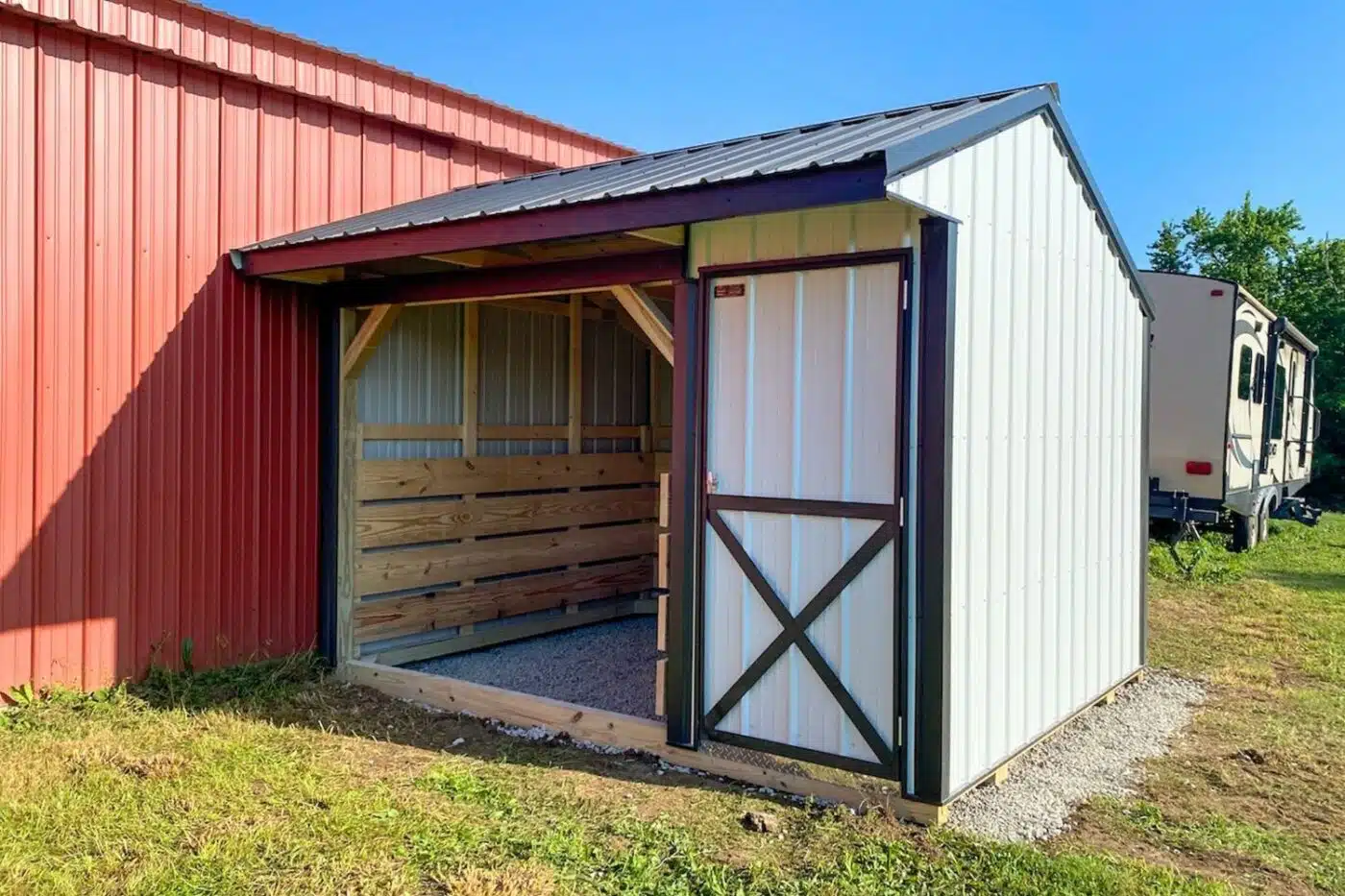
A loafing shed, also known as a run-in shelter, is a simple but highly effective structure that gives animals a safe place to retreat from the elements. Unlike a fully enclosed barn, a loafing shed is typically open on one side, allowing animals to enter and exit freely.
The design is intentional. It provides protection from wind and precipitation while maintaining airflow to prevent excessive moisture buildup inside. Depending on the model, shelters can also include tack rooms for feed and equipment storage, partial sidewalls for added protection, and kickboards to safeguard animals from hard siding.
For example, at Ozark Premier Buildings, we offer loafing sheds with customizable options like:
- Structures with tack room or without tack rooms
- 2×10 kickboards for animal safety
- 20-inch roof overhangs to keep precipitation out
- Choice of metal or wood siding, with warranties of up to 40–50 years
- Optional insulation and electrical upgrades
In essence, these structures strike a balance: they offer shelter and airflow, while keeping costs and complexity lower than full barns.
Why Loafing Sheds / Run-Ins Are Especially Valuable in Cold Climates
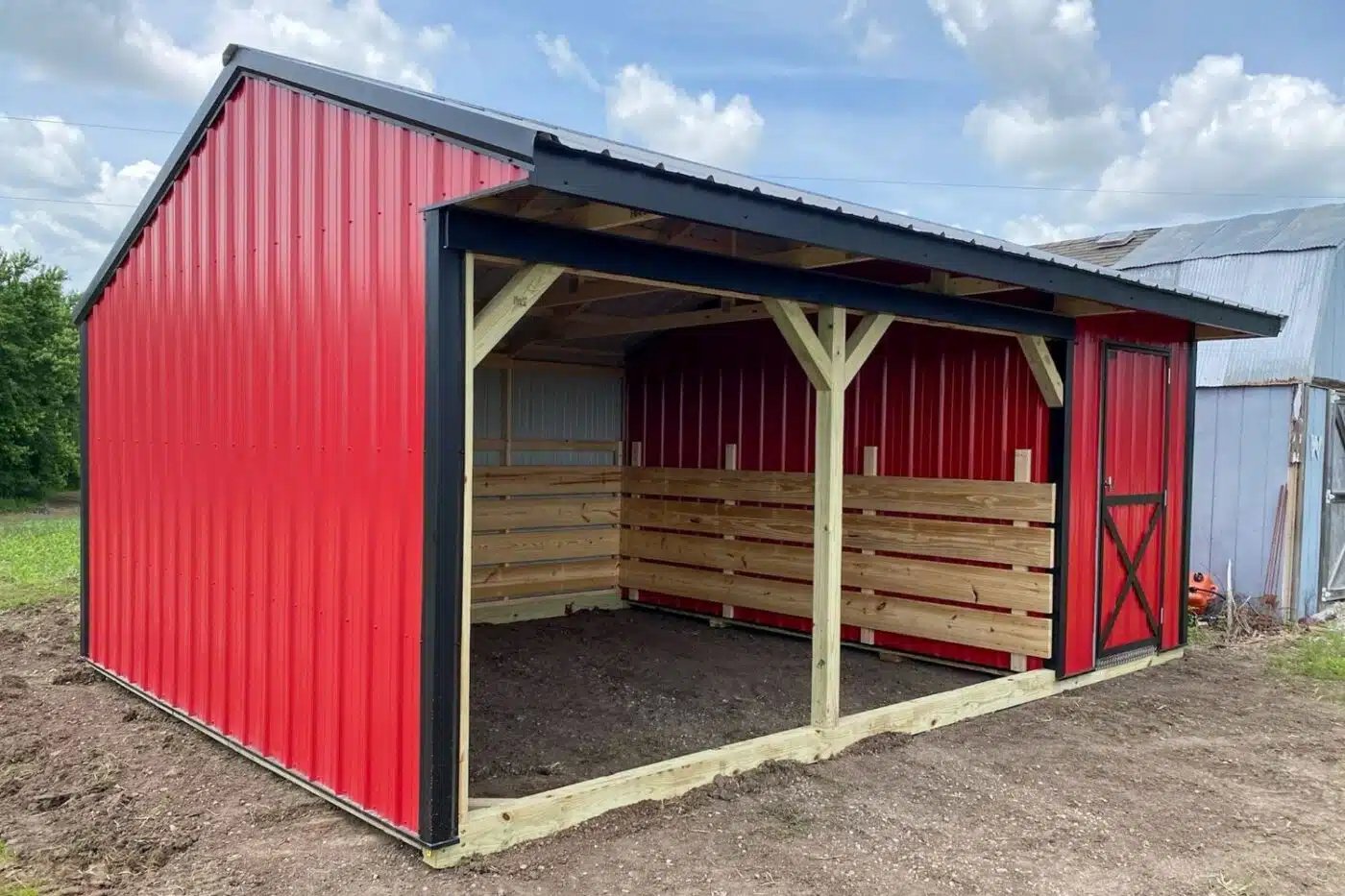
Here are the main reasons why such shelters are critical in cold weather:
- Wind Protection and Dry Retreat
Even a partial wall or roof stops most wind and prevents snow/rain from drenching animals. - Thermal Buffering
The shelter traps some radiant heat from animals themselves and reduces the cold surface exposure. - Behavioral Benefits
Animals are more likely to rest, eat, and conserve energy when they have a safe, comfortable spot. That improves condition, fertility, and growth. - Reduced Heat Loss and Stress
With a proper shelter, animals waste less energy trying to stay warm, reducing weight loss and stress. - Flexibility and Cost Efficiency
Because they’re simpler than barns, shelters are more affordable, easier to maintain, and require less upkeep of interior systems. - Ease of Expansion
Owners can add tack rooms or expand sidewalls as needed.
Design Considerations for Animal Shelters for Cold Weather
To maximize effectiveness in winter, you can’t just erect any roofed structure. Thoughtful design is essential. Below are the key aspects to consider.
| Design Element | Best Practices/Considerations |
| Overhangs / Eaves | Provide deep overhangs (e.g. 20″ or more) so snow and water don’t blow directly in. Ozark uses a 20″ overhang. |
| Orientation | Face open side(s) away from prevailing winter winds. In many regions, that means facing away from the strongest wind direction. |
| Roof Pitch and Drainage | Steep enough to shed snow, prevent accumulation, and avoid loading issues. |
| Windbreak Walls / Partial Walls | Include one or two side walls or windbreaks to block cold drafts. In extreme climates, having a back wall is critical. |
| Flooring / Base | Gravel, compacted earth, or raised floors to promote drainage and avoid ice buildup. |
| Insulation & Lining | Insulate walls or tack rooms especially. Use spray-cell insulation or rigid board. Ozark offers insulation upgrades. |
| Ventilation | Balanced ventilation is essential. Moisture inside (from animal respiration, condensation) must escape to avoid frost and mold. |
| Kickboards and Safe Walls | Use sturdy wood kickboards to protect animals from banging into siding. Ozark uses 2×10 kickboards. |
| Siding Materials | Metal (with corrosion protection) or long-life wood siding. Ozark offers 40-year metal warranty or 50-year LP Smart Siding. |
| Electrical / Heating Options | Consider wiring for lights, heated waterers, or heat lamps in extreme climates, especially in the tack storeroom or enclosed portions. Ozark offers electrical upgrades. |
| Modularity / Expandability | Plan to add sidewalls, tack rooms, partitions, or extensions as needs change. |
By adding these features, your animal shelter for cold weather can maximize its protection and durability in severe winter conditions.
How Animal Shelters Improve Health, Productivity & Welfare
Putting in the investment in good shelters pays off in multiple ways:
1. Reduced Mortality & Injury
Animals protected from exposure are less likely to die from hypothermia or suffer frostbite injuries.
2. Better Reproduction & Health
Animals under less cold stress show improved fertility, stronger immune systems, and fewer illnesses.
3. Improved Condition & Growth
Less energy expended staying warm means more energy available for weight gain, milk production, or fat reserves.
4. Behavior & Comfort
Animals rest more, eat more consistently, and avoid “piling” or struggling for exposed spots, reducing injuries and stress.
5. Lower Feed and Vet Costs
Healthier animals mean fewer vet interventions, lower feed wastage, and less economic loss from illness.
6. Longevity & Asset Protection
Protecting breeding animals or high-value stock from cold damage ensures long-term return on investment.
Challenges, Maintenance & Costs to Plan For An Animal Shelter
Even the best shelter is not self-maintaining. Some challenges and costs to anticipate:
- Snow load / structural stress: Roofs must be rated for heavy snow; regular clearing may be necessary.
- Wear & tear from animals: Kicking, rubbing, chewing, hence the need for durable materials and kickboards.
- Ice and dripping issues: Melted snow can drip in or refreeze, drainage, and guttering matter.
- Ventilation and moisture control: Condensation can damage structures, encourage mold, or freeze inside.
- Maintenance of insulation/seals: Over time, insulation and siding may degrade, requiring repair or replacement.
- Heating / electrical costs: If you include heat lamps or heated waterers, energy costs increase.
- Foundation/ground erosion: Mud, frost heaving, and drainage issues need proper footprint design.
- Initial capital cost: Quality design, treated materials, customization, and installation are significant upfront costs.
In budgeting, owners should allow for not just the shelter shell but ongoing maintenance, upgrades, and utilities.
FAQ: Animal Shelters for Cold Weather
Do Animals Really Use Loafing Sheds for Winter?
Yes, horses, goats, cattle, and sheep naturally seek shelter when conditions are harsh.
Do Loafing Sheds Need Insulation?
Not always. For many places, a simple three-sided shelter with proper orientation suffices. In harsher climates, having insulation improves comfort.
What Is The Best Material for Loafing Shed Siding?
Both metal and engineered wood work best for siding. The choice depends on your budget, climate, and aesthetic preferences.
Are Loafing Sheds Permanent Structures?
They can be permanent or portable, portable loafing sheds are especially useful for rotating pastures.
Protect Your Animals This Winter with a Durable Loafing Shed
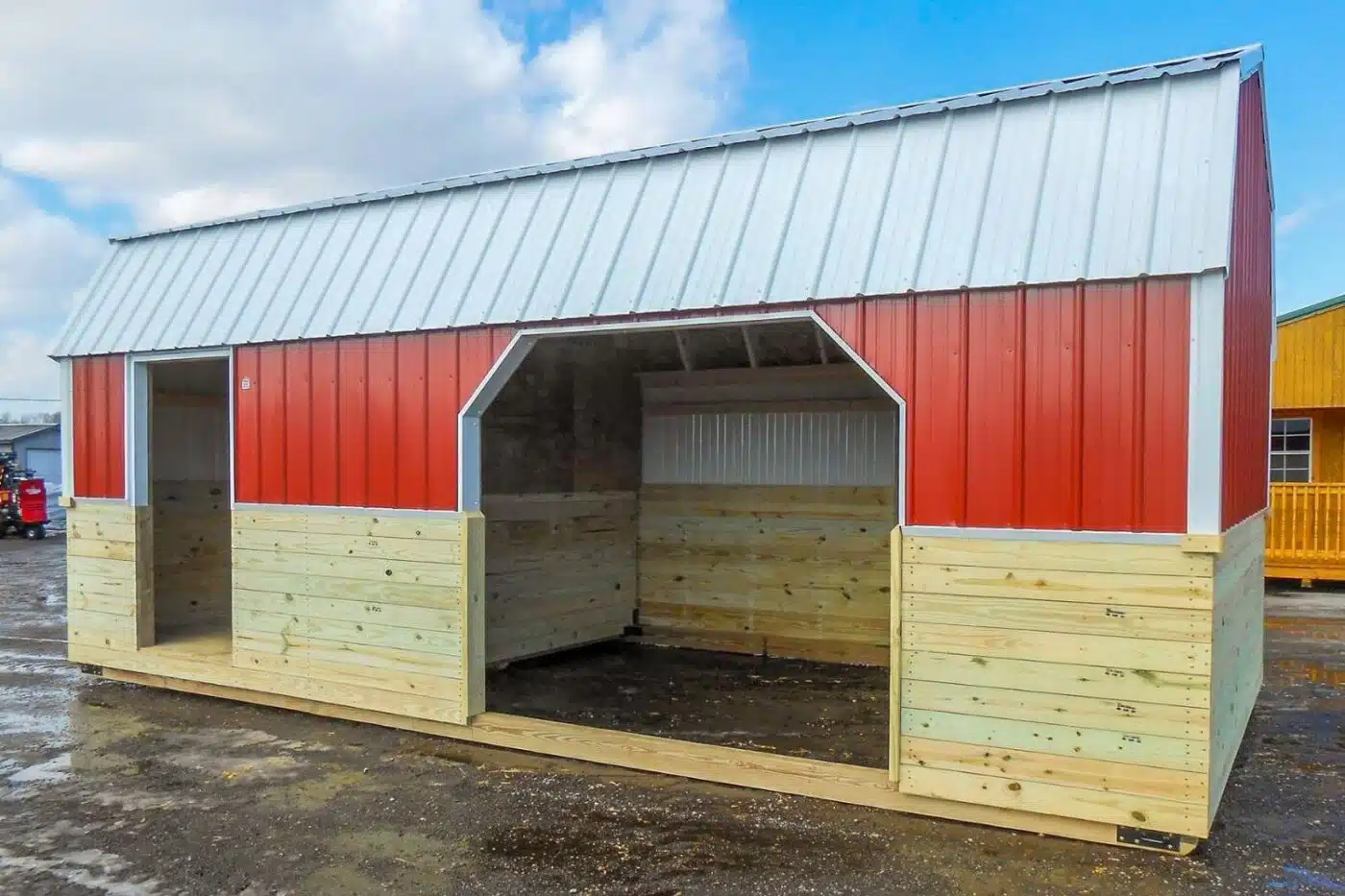
Cold weather is more than just uncomfortable for outdoor animals. It is a threat to their health, productivity, and survival. Loafing sheds provide the protection needed to face winter with confidence. Our custom loafing sheds are built to keep your animals safe, comfortable, and healthy through the harsh winter weather. With durable materials, thoughtful design options like tack rooms and kickboards, and long-term warranty, these shelters give you peace of mind knowing that your livestock has the protection they need.